
 Recommended On
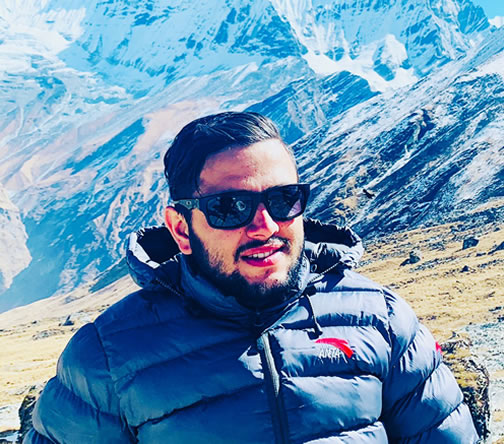
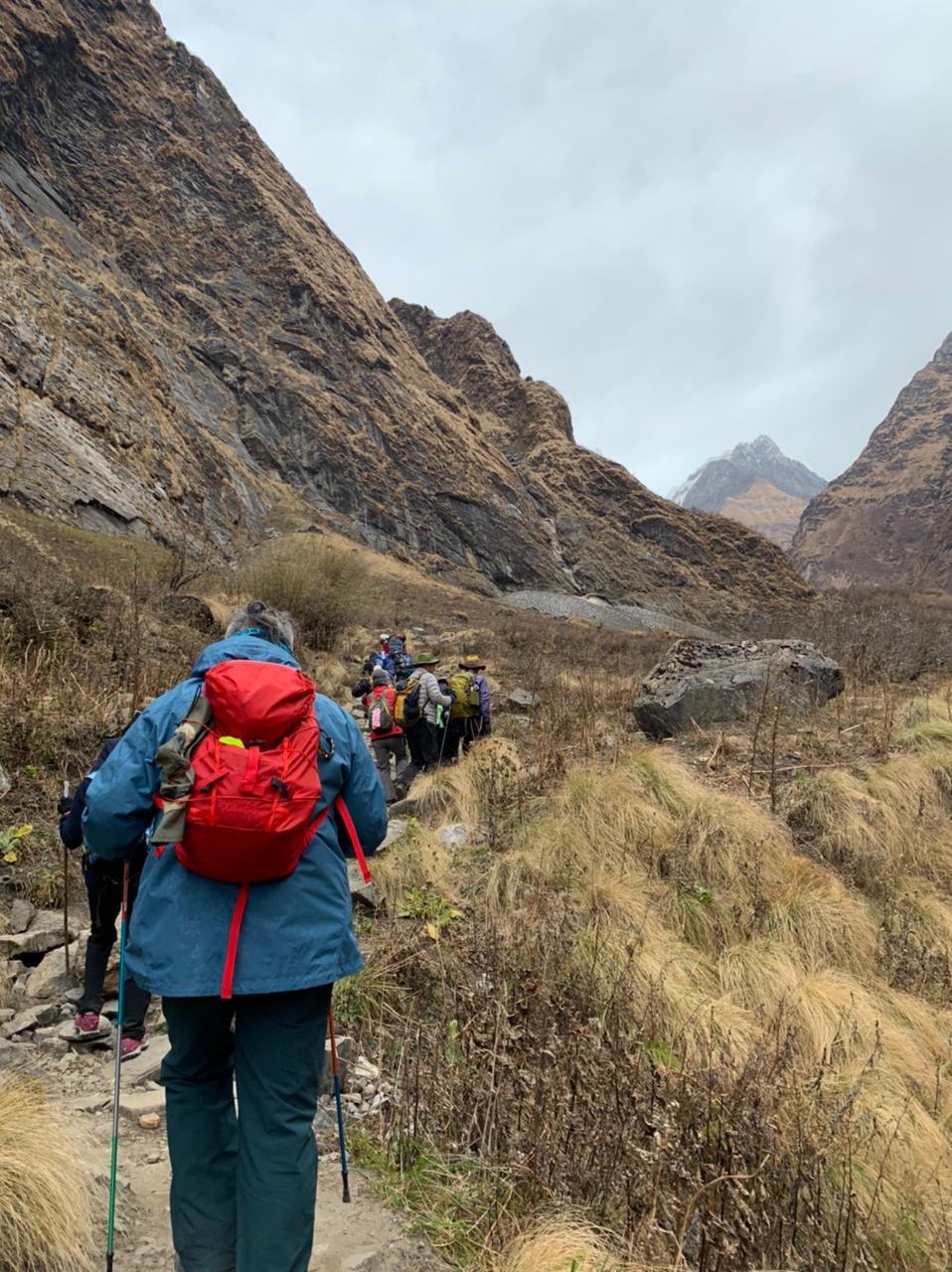
Your first high-altitude trek in Nepal can feel exciting and intimidating at the same time. Many first-time high altitude trekkers worry about altitude sickness, cold mountain weather, long walking days, and whether their fitness level is good enough for Himalayan trekking. These concerns are normal before starting a first high-altitude trek in Nepal.
The good news is that Nepal has several beginner-friendly trekking routes with good tea house infrastructure, gradual acclimatization, and manageable trekking difficulty. Routes like the Everest Base Camp Trek, the Langtang Valley Trek, the Mardi Himal Trek, and the Annapurna Base Camp Trek allow beginners to experience high-altitude trekking in Nepal safely without technical climbing skills.
At World Expedition Nepal, many beginner trekking groups include travelers with little or no previous high-altitude experience. With realistic pacing, proper acclimatization, and experienced local guides, most first-time trekkers adapt much better than they initially expect.
This guide explains what beginners should realistically expect at altitude, how acclimatization works, which routes are most beginner-friendly, and how to choose the right Himalayan trek for your first mountain experience.
What Should First-Time High Altitude Trekkers Expect in Nepal?
First-time high altitude trekkers usually notice thinner air, slower walking pace, colder mountain weather, and increased fatigue once trekking routes climb above 3,000 meters.
Why does trekking feel harder at high altitude?
Trekking becomes harder mainly because oxygen levels decrease as elevation increases. Above 3,000 meters, the body receives less oxygen with every breath. Even moderate uphill walking starts feeling more physically demanding.
Most trekkers first notice that breathing becomes heavier during climbs. Recovery slows down, and simple uphill sections suddenly require more effort than they would at a lower elevation.
What changes do trekkers notice above 3,000 meters?
Above 3,000 meters, the body starts adjusting to thinner air. Trekkers often experience colder mornings, reduced appetite, dry mountain air, and interrupted sleep during the first few days at altitude.
Mountain weather also changes quickly. Warm daytime sunshine can turn into freezing evening temperatures once the sun disappears behind the Himalayan ridges.
Why is slow pacing important during Himalayan trekking?
A slower trekking pace allows the body to acclimatize gradually to lower oxygen levels. Walking too quickly increases fatigue and raises the risk of altitude sickness in Nepal trekking.
Experienced guides usually encourage trekkers to maintain a steady rhythm instead of rushing uphill aggressively during the early days of the trek.
What surprises first-time high altitude trekkers most?
Many beginners are surprised that altitude affects everyone differently. Physically strong hikers sometimes struggle more than expected because acclimatization depends heavily on pacing, hydration, sleep, and gradual ascent rather than fitness alone.
How Difficult Is High Altitude Trekking in Nepal?
High altitude trekking in Nepal becomes challenging because of lower oxygen levels, long walking days, and changing mountain weather, rather than technical climbing difficulty.
Does altitude or trail terrain feel more difficult?
For most beginner high altitude treks in Nepal, altitude feels harder than the trail itself. The trekking routes are generally non-technical tea house trekking trails without mountaineering sections.
However, reduced oxygen above 3,500 meters makes uphill walking feel much more tiring. Breathing becomes heavier, trekking endurance drops gradually, and recovery takes longer after each day.
How many hours do trekkers usually walk daily?
Most Himalayan trekking routes involve between 5 and 7 hours of walking on regular days. Longer sections and major pass crossings like Thorong La Pass or Larkya La Pass can extend trekking days to 9 or even 11 hours.
Walking time depends on trail conditions, weather, altitude gain, and overall trekking pace.
Why does recovery become slower at altitude?
Recovery slows because the body works harder in thin air. Lower oxygen levels increase physical stress and reduce muscle recovery speed after long trekking days.
Many trekkers notice that soreness and fatigue last longer once trekking routes climb above 4,000 meters.
Can beginners handle high-altitude trekking safely?
Yes. Many beginners complete beginner Himalayan treks successfully every year with proper acclimatization, realistic expectations, and slower pacing.
The key is choosing routes with gradual ascent, strong tea house infrastructure, and manageable trekking difficulty.
Why Is Acclimatization Important for First-Time Trekkers?
Acclimatization allows the body to adjust gradually to lower oxygen levels, reducing the risk of altitude sickness during Himalayan trekking.
What are common AMS symptoms trekkers notice?
AMS symptoms usually begin gradually above 3,000 to 3,500 meters if trekkers ascend too quickly. Common signs include headache, dizziness, nausea, poor sleep, fatigue, and appetite loss.
Mild symptoms are common during high-altitude trekking in Nepal, but severe symptoms should never be ignored.
Why do itineraries include acclimatization days?
Acclimatization days help the body stabilize before moving to a higher elevation. Many trekking itineraries include rest days at villages like Namche Bazaar or Manang because these locations allow trekkers to adapt before major altitude gain.
Skipping acclimatization days often increases altitude risk significantly later in the trek.
How does hydration help at high altitude?
Hydration management becomes extremely important because dry mountain air causes faster fluid loss than many trekkers expect. Dehydration increases fatigue and can worsen AMS symptoms.
Most trekking guides recommend drinking at least 3 to 4 liters of water daily during high-altitude trekking in Nepal.
Why does walking too fast increase AMS risk?
Fast uphill walking raises heart rate before the body fully adapts to lower oxygen levels. This increases physical stress and makes altitude sickness more likely.
Steady pacing usually produces safer acclimatization outcomes than aggressive climbing speed.
What Makes a Trek Good for First-Time High Altitude Trekkers?
The best beginner high-altitude treks usually combine gradual altitude gain, strong tea house infrastructure, and manageable trekking difficulty.
Why is gradual altitude gain important for beginners?
Gradual ascent gives the body more time to adapt naturally to lower oxygen levels. Routes with slower elevation gain usually feel safer and more comfortable for first-time trekkers.
Treks with aggressive altitude gain often create unnecessary acclimatization problems and increase fatigue quickly.
How do tea houses improve trekking comfort?
Tea house trekking in Nepal routes provides accommodation, meals, warm dining halls, hot drinks, and weather shelter throughout the trek. This makes Himalayan trekking much easier for beginners compared to camping expeditions.
The social atmosphere inside tea houses also helps many trekkers relax after long walking days.
Why do guided trekking routes feel safer?
Guided Himalayan trekking helps beginners manage acclimatization, weather changes, route logistics, emergency planning, and realistic pacing.
Local guides also understand how altitude affects trekkers during different stages of the journey and adjust the pace when needed.
What altitude range is manageable for beginners?
Most beginners handle elevations between 3,000 and 4,500 meters reasonably well with proper acclimatization and slower pacing.
Routes above 5,000 meters become significantly more demanding physically and mentally.
Everest Base Camp Trek for First-Time High Altitude Trekkers
Everest Base Camp Trek is one of Nepal’s most popular first high-altitude trekking experiences because of its strong trekking infrastructure and iconic Himalayan scenery.
Why is Everest Base Camp popular among first-time trekkers?
Everest Base Camp Trek combines organized trekking systems, strong tea house infrastructure, experienced guides, Sherpa culture, and famous Himalayan scenery.
The route feels well-supported despite the high altitude environment, which makes many beginners feel more confident.
How difficult is the Everest Base Camp Trek?
The trek is physically demanding but not technically difficult. Most days involve 5 to 7 hours of walking through the Khumbu region.
Altitude becomes the main challenge rather than the trail difficulty itself.
Why is Namche Bazaar important for acclimatization?
Namche Bazaar at 3,440 meters serves as the main acclimatization stop before trekkers continue toward Tengboche and Dingboche.
Most itineraries include an acclimatization day here because oxygen reduction becomes much more noticeable above this elevation.
What altitude challenges should beginners expect?
Trekkers often notice thinner air, colder nights, slower recovery, and heavier breathing once the route climbs above Dingboche and Lobuche near Everest Base Camp.
The final sections toward Gorakshep and Kala Patthar feel especially demanding because of the elevation and cold temperatures.
Annapurna Circuit Trek for Beginner High Altitude Trekkers
The Annapurna Circuit Trek offers gradual altitude gain, diverse scenery, and strong tea house trekking infrastructure for first-time Himalayan trekkers.
Why is the Annapurna Circuit considered beginner-friendly?
The Annapurna Circuit allows gradual acclimatization over many trekking days. The route climbs slowly through river valleys, forests, alpine terrain, and mountain villages before reaching Thorong La Pass.
This slower ascent helps many beginners adapt more comfortably.
How difficult is the Thorong La Pass crossing?
Thorong La Pass at 5,416 meters is physically demanding because of the thin air, long walking hours, steep climbing sections, and cold temperatures.
Most groups begin crossing before sunrise to avoid strong afternoon wind exposure near the pass.
What cultural experiences stand out on this route?
Trekkers pass through Gurung villages, Tibetan Buddhist settlements, monasteries, and mountain farming communities throughout the Annapurna region.
The route feels culturally diverse from beginning to end.
How does the Annapurna trek compare to the Everest trek?
Annapurna usually feels more geographically varied, less expensive, and easier to access by road compared to the Everest trek.
Everest feels more iconic, while Annapurna often feels more diverse overall.
Langtang Valley Trek for First-Time High Altitude Trekkers
Langtang Valley Trek is one of Nepal’s best beginner high-altitude treks because of its manageable difficulty and accessible road transportation.
Why is Langtang good for first-time trekkers?
Langtang combines moderate altitude, shorter itineraries, quieter trails, and a manageable trekking pace. Many beginners feel more comfortable here because the route avoids domestic flights and extreme altitude exposure.
The road access from Kathmandu also makes logistics easier for first-time visitors.
How difficult is the Langtang Valley Trek?
The trek is moderate in difficulty, with most trekking days lasting between 5 and 7 hours.
The trail climbs gradually through forests, river valleys, and Tamang villages before reaching Kyanjin Gompa.
What altitude does the route reach?
Most trekkers reach Kyanjin Gompa at 3,870 meters, while Kyanjin Ri, above 4,700 meters, remains an optional acclimatization hike.
The lower average altitude compared to Everest or the Annapurna Circuit helps many beginners adapt more comfortably.
Why do trekkers enjoy Langtang’s quieter trails?
Compared to the Everest Base Camp Trek, Langtang feels quieter, less commercialized, and less crowded.
Many trekkers enjoy the peaceful mountain atmosphere and simpler trekking logistics.
Mardi Himal Trek for Beginner High Altitude Trekkers
Mardi Himal Trek combines shorter trekking duration with rewarding Himalayan views, making it a good introduction to altitude trekking in Nepal.
Why is Mardi Himal ideal for shorter trekking holidays?
Mardi Himal usually takes between 5 and 7 trekking days, making it one of Nepal’s best shorter beginner high altitude treks.
The route works especially well for trekkers with limited travel time who still want high mountain scenery.
How difficult is Mardi Himal for beginners?
The trek is moderate in difficulty with manageable walking hours and comfortable tea house infrastructure.
Some ridge trail sections feel steeper, but overall trekking difficulty remains reasonable for fit beginners.
What altitude challenges exist on this route?
The highest sections near Mardi Himal Base Camp still involve thinner air, colder temperatures, and a slower walking pace.
However, the shorter itinerary reduces prolonged altitude exposure compared to longer Himalayan treks.
What scenery makes Mardi Himal popular?
Trekkers enjoy close views of Machhapuchhre, Annapurna South, and surrounding Himalayan peaks along scenic ridge trails and forest sections.
The sunrise views from higher camps feel especially rewarding for a relatively short trek.
Annapurna Base Camp Trek for Beginner Trekkers
Annapurna Base Camp Trek is one of Nepal’s most balanced beginner Himalayan treks because it combines moderate altitude, comfortable tea houses, and strong mountain scenery.
Why is Annapurna Base Camp considered beginner-friendly?
The route follows gradual elevation gain through villages, forests, and river valleys before entering the Annapurna Sanctuary.
Compared to the Everest Base Camp or Manaslu Circuit Trek, altitude exposure feels more manageable for many beginners.
How difficult is the Annapurna Base Camp Trek?
Most trekking days involve 5 to 7 hours of walking through forest trails, village paths, and stone staircases.
The route does not involve major high pass crossings like Thorong La Pass or Larkya La Pass.
What altitude does Annapurna Base Camp reach?
The trek reaches Annapurna Base Camp at 4,130 meters.
This altitude still requires proper acclimatization and steady pacing, but overall trekking difficulty remains moderate.
Why do many beginners prefer ABC over Everest?
Many first-time trekkers choose Annapurna Base Camp because:
-
no domestic flights are required
-
tea houses feel comfortable
-
logistics are simpler
-
altitude feels more manageable
-
trekking duration is shorter
The route offers strong scenery without extremely demanding altitude exposure.
What Are the Easiest High Altitude Treks in Nepal?
The easiest high altitude trek in Nepal routes usually combine lower altitude exposure, shorter itineraries, and strong tea house infrastructure.
|
Trek |
Maximum Altitude |
Difficulty |
|
Mardi Himal Trek |
4,500m |
Moderate |
|
Langtang Valley Trek |
4,700m |
Moderate |
|
Annapurna Base Camp Trek |
4,130m |
Moderate |
|
Ghorepani Poon Hill Trek |
3,210m |
Easy to Moderate |
|
Everest Panorama Trek |
3,880m |
Moderate |
Why do shorter routes help beginners?
Shorter itineraries reduce prolonged fatigue, altitude exposure, and recovery stress.
This helps many beginners build trekking confidence before attempting longer Himalayan routes.
Which route has the easiest logistics?
Langtang Valley Trek often feels easiest logistically because no domestic flights are required and transportation remains relatively simple.
Many cautious beginners prefer routes with easier transportation systems for their first trek.
How Fit Should You Be for High Altitude Trekking?
Good fitness improves trekking comfort and recovery, but most beginner Himalayan treks do not require elite athletic ability.
What type of fitness matters most?
The most important fitness areas include cardio endurance, uphill walking stamina, leg strength, and recovery ability.
Long-distance running alone does not guarantee easier acclimatization at altitude.
How should beginners train before trekking?
Most trekkers benefit from:
-
stair climbing
-
uphill hiking
-
cardio training
-
walking with backpacks
-
leg strengthening exercises
Consistent preparation for 6 to 10 weeks before departure usually improves trekking comfort significantly.
Why do trekking boots matter so much?
Proper trekking boots improve ankle support, downhill stability, trail grip, and comfort during long trekking days.
New boots should always be broken in before trekking in Nepal.
Does fitness prevent altitude sickness?
No. Fitness improves endurance but does not fully protect against altitude sickness.
Even experienced athletes sometimes struggle if ascent becomes too aggressive.
What Should Beginners Pack for High Altitude Trekking?
Packing correctly for Himalayan trekking improves comfort, warmth, and safety during changing mountain conditions.
Essential trekking gear for beginners
-
trekking boots
-
down jacket
-
waterproof jacket
-
warm gloves
-
thermal base layers
-
trekking poles
-
sleeping bag
-
sunglasses
-
water bottles
-
headlamp
Why is layering important at altitude?
Mountain temperatures change quickly throughout the day. A layering system allows trekkers to adjust clothing based on sunshine, wind exposure, elevation, and cold evening temperatures.
Layering works much better than relying on one heavy jacket alone.
What gear do beginners often underestimate?
Many beginners underestimate cold-weather gloves, lip balm, sunscreen, extra socks, hydration needs, and trekking poles.
Small comfort items become much more important during long trekking days.
Why should trekkers avoid overpacking?
Heavy backpacks increase fatigue quickly during uphill walking.
Keeping trekking gear lightweight improves energy management and overall trekking comfort.
What is the Best Season for high-altitude trekking in Nepal?
Autumn and spring are the best seasons for high altitude trekking in Nepal because weather conditions become more stable and mountain visibility improves.
Why is autumn the most popular trekking season?
October and November usually provide clear mountain views, dry trails, stable weather, and comfortable daytime temperatures.
These months offer the most reliable Himalayan trekking conditions overall.
Why do trekkers also choose spring?
Spring trekking brings blooming rhododendron forests, warmer temperatures, and longer daylight hours across the Nepal Himalayas.
However, afternoon cloud buildup becomes more common during spring compared to autumn.
Is winter trekking suitable for beginners?
Winter trekking becomes harder because of colder temperatures, snow-covered trails, and difficult high pass crossings.
Most beginners feel more comfortable trekking during autumn or spring instead.
Why does the monsoon season create challenges?
Monsoon trekking often involves muddy trails, landslides, transportation delays, poor mountain visibility, and wet trail conditions.
This season feels less suitable for first-time trekkers.
Why Do Local Guides Help First-Time High Altitude Trekkers?
Experienced local guides improve altitude safety, pacing, logistics management, and overall trekking confidence for beginners in Nepal.
How do guides help with acclimatization?
Guides monitor walking pace, hydration, fatigue, AMS symptoms, and daily elevation gain throughout the trek.
They also help adjust itineraries if trekkers struggle with altitude adaptation.
Why does local weather knowledge matter?
Mountain weather changes quickly in the Nepal Himalayas. Local guides understand seasonal route conditions, snowfall patterns, storm systems, and weather exposure better than most independent trekkers.
How do guides reduce trekking stress?
Guides handle tea house coordination, transportation logistics, permits, route navigation, and emergency communication.
This allows beginners to focus more on the trekking experience itself.
Why do beginners usually feel more confident with guides?
Guided trekking in Nepal routes feels more manageable because trekkers know someone experienced is monitoring the group throughout the journey.
This becomes especially important during difficult high-altitude sections.
Common Mistakes First-Time High Altitude Trekkers Make
Most beginner trekking problems happen because of poor pacing, dehydration, unrealistic expectations, or improper preparation.
What mistakes do beginners make most often?
Common beginner mistakes include:
-
walking too fast
-
ignoring hydration
-
overpacking
-
skipping acclimatization days
-
wearing new boots
-
underestimating cold weather
-
poor fitness preparation
Why is dehydration dangerous at altitude?
Dehydration increases fatigue, headaches, muscle recovery problems, and AMS risk significantly.
Dry mountain air causes faster fluid loss than many trekkers expect.
Why do beginners overpack so often?
Many trekkers bring unnecessary clothing and equipment because they worry excessively about mountain conditions.
Heavy bags quickly increase fatigue during long uphill sections.
Why do aggressive itineraries create problems?
Shortened itineraries reduce acclimatization time and increase physical stress.
Gradual ascent usually produces safer and more enjoyable trekking experiences overall.
Which Trek Is Best for Your First High Altitude Trek in Nepal?
The best first high altitude trek in Nepal depends on fitness level, available time, comfort preferences, and how much altitude exposure trekkers want.
Best overall beginner trek
For many first-time trekkers, the Annapurna Base Camp Trek offers the best balance of scenery, moderate altitude, comfortable tea houses, and manageable trekking difficulty.
Best short beginner trek
Mardi Himal Trek works especially well for trekkers wanting shorter itineraries, lower costs, beautiful mountain views, and moderate altitude exposure.
Best quieter beginner trek
Langtang Valley Trek feels ideal for trekkers wanting quieter trails, easier logistics, and a less crowded trekking atmosphere.
Best iconic first high altitude trek
Everest Base Camp Trek remains Nepal’s most iconic beginner high altitude trekking experience despite the greater altitude challenge.
The route’s infrastructure and Sherpa culture help many beginners complete the trek successfully.
Trek Nepal Safely With World Expedition Nepal
At World Expedition Nepal, beginner-friendly Himalayan trekking itineraries are designed with realistic pacing, proper acclimatization, and practical mountain safety in mind.
Our trekking teams help first-time trekkers manage:
-
acclimatization
-
trekking logistics
-
permits
-
transportation
-
tea house coordination
-
altitude safety
-
seasonal route planning
Whether you want Everest Base Camp for beginners, Langtang Valley beginner trek options, Annapurna Base Camp beginner trek itineraries, or guided Himalayan trekking support for your first adventure, experienced local guides help make the experience safer and more comfortable.
FAQs About Beginner High Altitude Treks in Nepal
What is the best first high-altitude trek in Nepal?
Annapurna Base Camp Trek is often considered one of the best beginner high altitude treks Nepal offers because of its moderate altitude and strong tea house infrastructure.
Can beginners do the Everest Base Camp Trek?
Yes. Many beginners complete the Everest Base Camp Trek successfully with proper acclimatization and realistic pacing.
Which Nepal trek has the easiest logistics?
Langtang Valley Trek usually has the easiest logistics because it does not require domestic flights.
How do trekkers prevent altitude sickness?
Gradual ascent, hydration, slower pacing, and acclimatization days help reduce altitude sickness risk significantly.
Is the Annapurna Circuit suitable for beginners?
Yes, but Thorong La Pass makes the trek physically demanding compared to shorter beginner routes.
What fitness level is needed for the Himalayan trekking?
Moderate cardio fitness and uphill walking endurance are usually enough for beginner Himalayan treks.
Are tea houses comfortable for beginners?
Most tea houses provide meals, beds, warm dining halls, and basic facilities that make trekking more comfortable for beginners.
Which season is best for beginner trekking in Nepal?
Autumn and spring offer the best mountain weather, trail conditions, and visibility for first-time trekkers.
Is guided trekking better for beginners?
Yes. Guides help with pacing, acclimatization, logistics, and safety during high-altitude trekking in Nepal.
How cold does it get during high-altitude trekking?
Night temperatures above 4,000 meters often drop below freezing, especially during autumn and spring.
